

Product Center
Great quality, Create with zinc
Products Center


Ceramic-grade zinc oxide is divided into two major categories: standard direct-process zinc oxide and calcined zinc oxide. It serves as a core raw material for ceramic glazes, frits, and colorants. By providing fluxing, opacifying, color-adjusting, and thermal expansion coefficient-balancing properties, it is widely used in the wall and floor tile, sanitaryware, artistic ceramics, mosaic, glass, and enamel industries. It appears as a fine white powder, free of black specks or impurities and without caking; it is insoluble in water but soluble in acidic and alkaline solutions. It exhibits strong fluxing properties at high temperatures and good thermal stability, and can form zinc-aluminum spinel with silicon and aluminum to achieve a milky white effect.
View Details+

Rutile-type titanium dioxide is the white inorganic pigment with the best industrial performance, produced via two main processes: the sulfuric acid process and the chloride process; Through inorganic composite coating with silicon, aluminum, and zirconium, combined with organic surface modification, it features dense and stable crystals, high refractive index, strong UV shielding, and excellent weather resistance and resistance to chalking. It is the mainstream high-end white pigment for outdoor coatings, plastics, inks, and color masterbatches, and is often blended with stearic acid and calcined zinc oxide for use in rubber and plastic systems. It appears as a pure white, fine powder with no odor and no coarse particles; it is insoluble in water and dilute acids but soluble in hot concentrated sulfuric acid and strong alkalis; it is highly chemically inert, resistant to acids and alkalis, and heat-resistant; when dispersed, it imparts high gloss and pure whiteness to paint films and finished products.
View Details+

Anatase-type titanium dioxide is produced exclusively via the sulfuric acid process; there are no anatase products made using the chlorination process. It consists of the anatase crystal phase and has not undergone a dense, weather-resistant coating treatment. It is inexpensive and has good dispersibility, but it exhibits high photoactivity and poor weather resistance. Primarily used for low-end indoor applications, it is a cost-effective white pigment offering good value for money. It appears as a pure white, fine powder with no coarse particles; it is insoluble in water but soluble in hot, concentrated sulfuric acid. It is chemically stable, with a loose, soft texture that disperses easily. Compared to rutile-type titanium dioxide, it is lighter in weight and has a slightly higher oil absorption rate; it is prone to yellowing and powdering in high-temperature environments.
View Details+

1801 Stearic Acid is a premium-grade stearic acid produced by the hydrolysis and distillation of fats and oils. Refined from palm oil and beef or mutton tallow, it is a saturated higher fatty acid and the industry’s most widely used base grade. It offers a balanced combination of purity, iodine value, and melting point, and is widely used in rubber and plastics, cosmetics, coatings, lubricants, and as a chemical filler (in combination with zinc oxide). Appearance and Properties: At room temperature, it is a white, bead-like or flake-like solid with a slight characteristic greasy odor; it is insoluble in water but soluble in ethanol, diethyl ether, and organic solvents; when heated, it melts into a pale yellow, transparent liquid; it solidifies easily at low temperatures and exhibits lubricating, release, dispersing, emulsifying, and stabilizing properties.
View Details+

Calcined zinc oxide, commonly known as “calcined zinc,” is produced by refining primary zinc oxide (raw zinc) obtained via the direct or indirect process through calcination at a constant high temperature of 1100–1300°C. It is a heavy, stable inorganic powder; Unlike ordinary raw zinc and active zinc oxide, it features a highly stable crystal structure, low reactivity, and low loss on ignition, making it a core raw material specifically used in ceramic glazes, glass, and electronic materials. It appears as a uniform powder ranging from white to very pale yellow, free of lumps and impurities; it has high density, high bulk density, and excellent flowability; it is insoluble in water but soluble in strong acids, strong alkalis, and ammonium salt solutions; its melting point is 1975°C, and it exhibits exceptional thermal stability.
View Details+
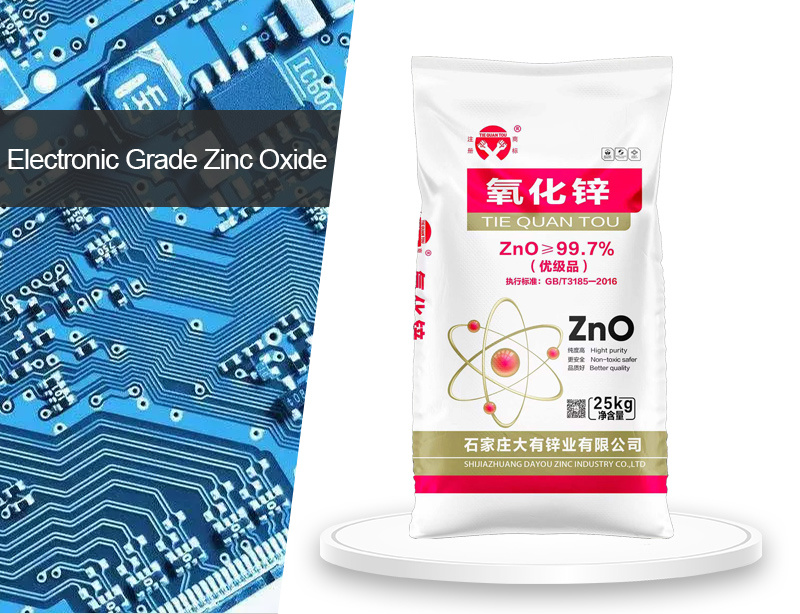
Electronic grade zinc oxide is widely used in the production of varistors, thermistors and other electronic components, zinc oxide lightning arresters, magnetic materials ferrite and other products.
View Details+
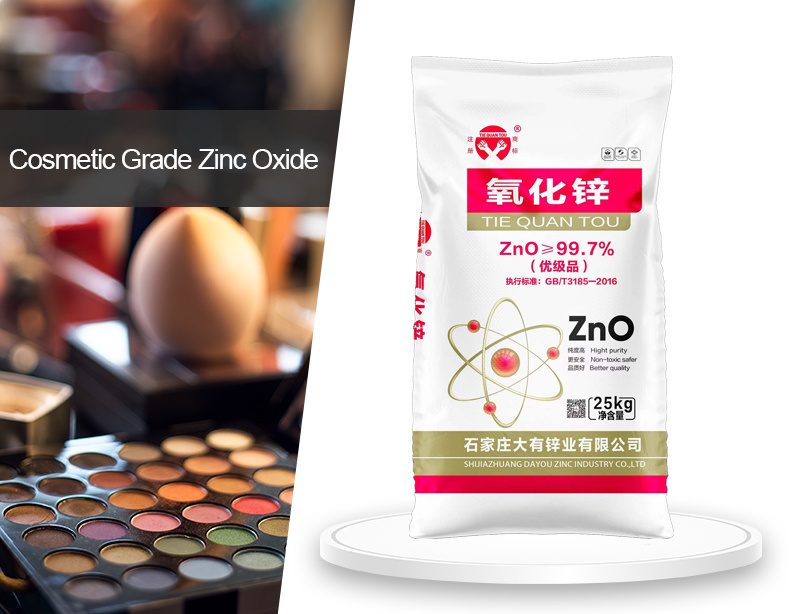
The zinc oxide used in cosmetics by the zinc industry in Gaoyi County is used in the production of cosmetics, skin care products and cosmetic additives.
View Details+
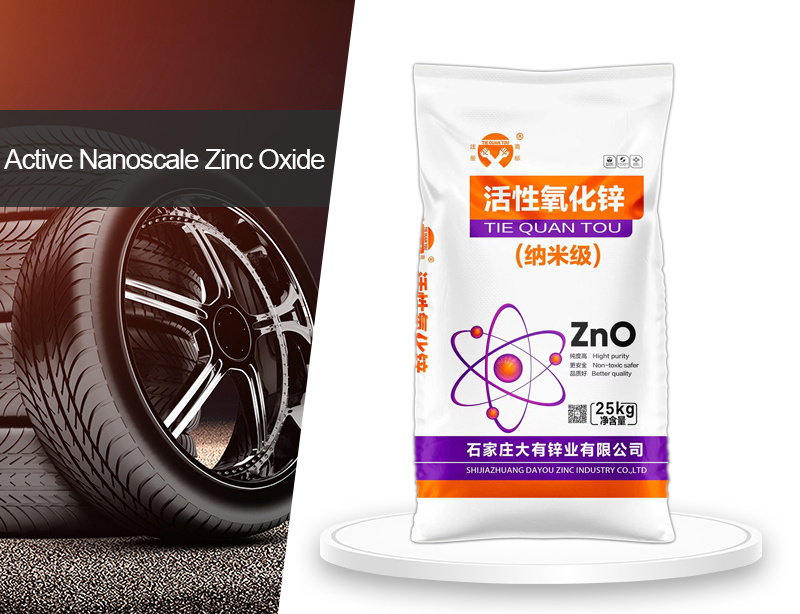
Active zinc oxide is a white or yellowish spherical fine powder, with a density of 5.47g/cm3, a melting point of 1800 ℃, insoluble in water, soluble in acid, alkaline ammonium chloride and ammonia. Carbon dioxide forms basic zinc carbonate in humid air.
View Details+
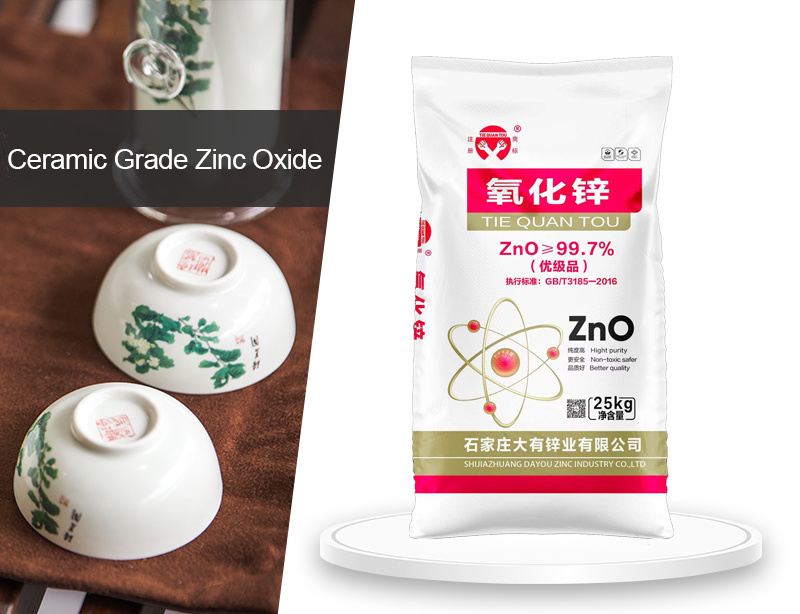
Ceramic grade zinc oxide is suitable for the development of ceramic pigments, the production of ceramic glaze and the firing of frits. This kind of zinc oxide can also be used in the production of high-grade glass products.
View Details+
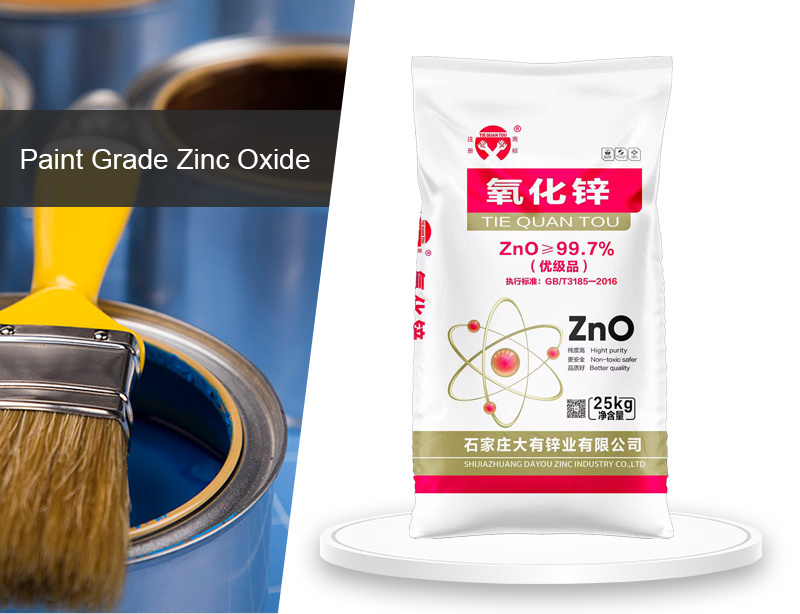
It is used for the production of high-grade paint, coating and other products and coating intermediates.
View Details+
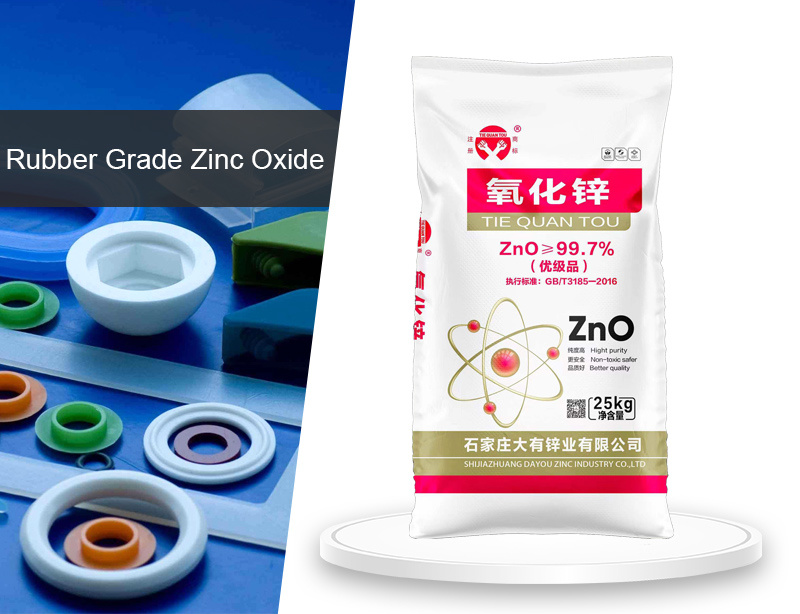
Rubber grade zinc oxide is used in the production of radial tire, bias tire, conveyor belt, rubber hose, rubber belt, rubber shoes, latex gloves and other rubber products. The product performance fully meets the requirements of the state, the Ministry of Chemical Industry and American ASTM standards.
View Details+

Rubber grade zinc oxide is used in the production of radial tire, bias tire, conveyor belt, rubber hose, rubber belt, rubber shoes, latex gloves and other rubber products. The product performance fully meets the requirements of the state, the Ministry of Chemical Industry and American ASTM standards.
View Details+